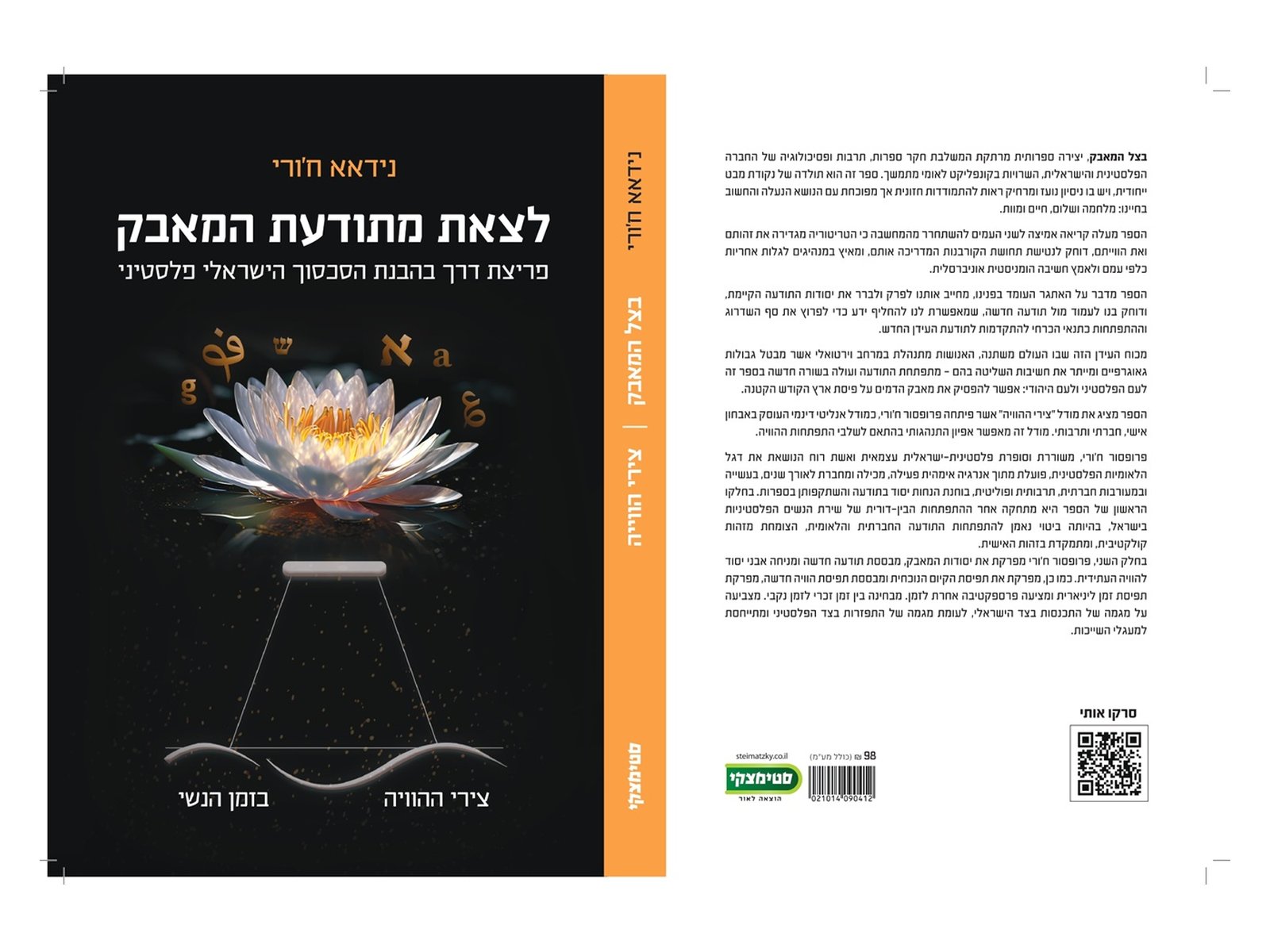
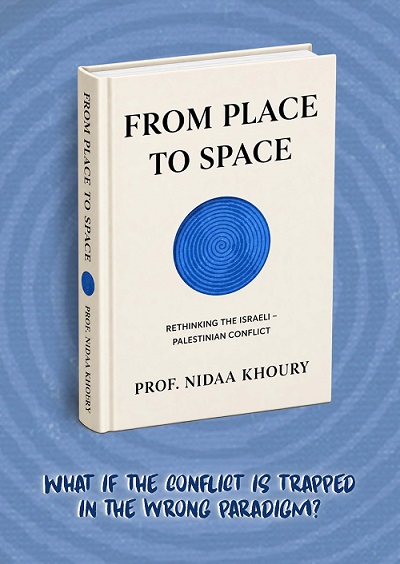
From Place to Space
Rethinking the Israeli-Palestinian Conflict
Prof. Nidaa Khoury
- Nonfiction
- Middle Eastern Studies
- Comparative Literature
- Conflict Resolution
The Book
What if the Israeli-Palestinian conflict is unsolvable not because of irreconcilable political demands, but because both peoples are trapped in an outdated paradigm, one that values territorial “place” over human “being”?
Drawing on six decades of Palestinian women’s poetry (1948–2008), comparative literary analysis, and post-modern philosophy, Prof. Nidaa Khoury argues that the conflict is caught in what she calls the “Bermuda of Foundations”: a triangle of historical precedence, religious sanctity, and sovereign power. Part One presents original research on Palestinian literature in Israel. It traces how women poets moved, over three generations, from collective national expression to individual, emotional voices. Along the way it shows how they used national symbols to carry personal and domestic messages past male editors.
Part Two turns to philosophy. Engaging Lyotard, Derrida, Hegel, and Sartre, Khoury takes apart binary thinking and the mirrored narratives of both peoples, which are built on victimhood, priority, and fear. She then introduces her central framework: the shift from “Existence based on Place” to “Being based on Time.” The book closes with an anthology of 25 works, from Taha Muhammad Ali to Roni Somek, showing that literature is already moving toward a universal right to life and dignity.
Why This Book Matters
For more than seven decades, the conflict has resisted every peace initiative built on land, borders, and sovereignty. From Place to Space asks whether the problem is philosophical rather than political, and treats literature as the “beating pulse” of society: a record of shifts in consciousness that come before political change.
Khoury writes from a position few scholars hold. She is a Palestinian citizen of Israel, fluent in Arabic and Hebrew, and an acclaimed poet as well as a researcher. That gives her inside access to two literary traditions usually kept apart by language and politics. Her research also surfaces findings that are rarely discussed. One is the paradox of “exile within the homeland”: Israel has the highest concentration of Palestinian women writers.
The book also offers practical tools. Its “National-Political Division” model analyzes cultural output by traumatic event-points (Nakba, Naksa, and others) rather than by calendar dates. It includes comparison tables of men’s and women’s writing, and of Israeli and Palestinian political literature. These make it usable in the classroom and in conflict-resolution work, not only as theory.
About the Book
Genre: Nonfiction / Middle Eastern Studies / Comparative Literature / Conflict Resolution
English edition not yet published | Originally published in Hebrew | 88,000 words
For readers of Edward Said’s Orientalism and Sari Nusseibeh’s What Is a Palestinian State Worth? From Place to Space offers a new framework for the Israeli-Palestinian conflict, grounded in six decades of Palestinian women’s poetry and post-modern philosophy.
Author
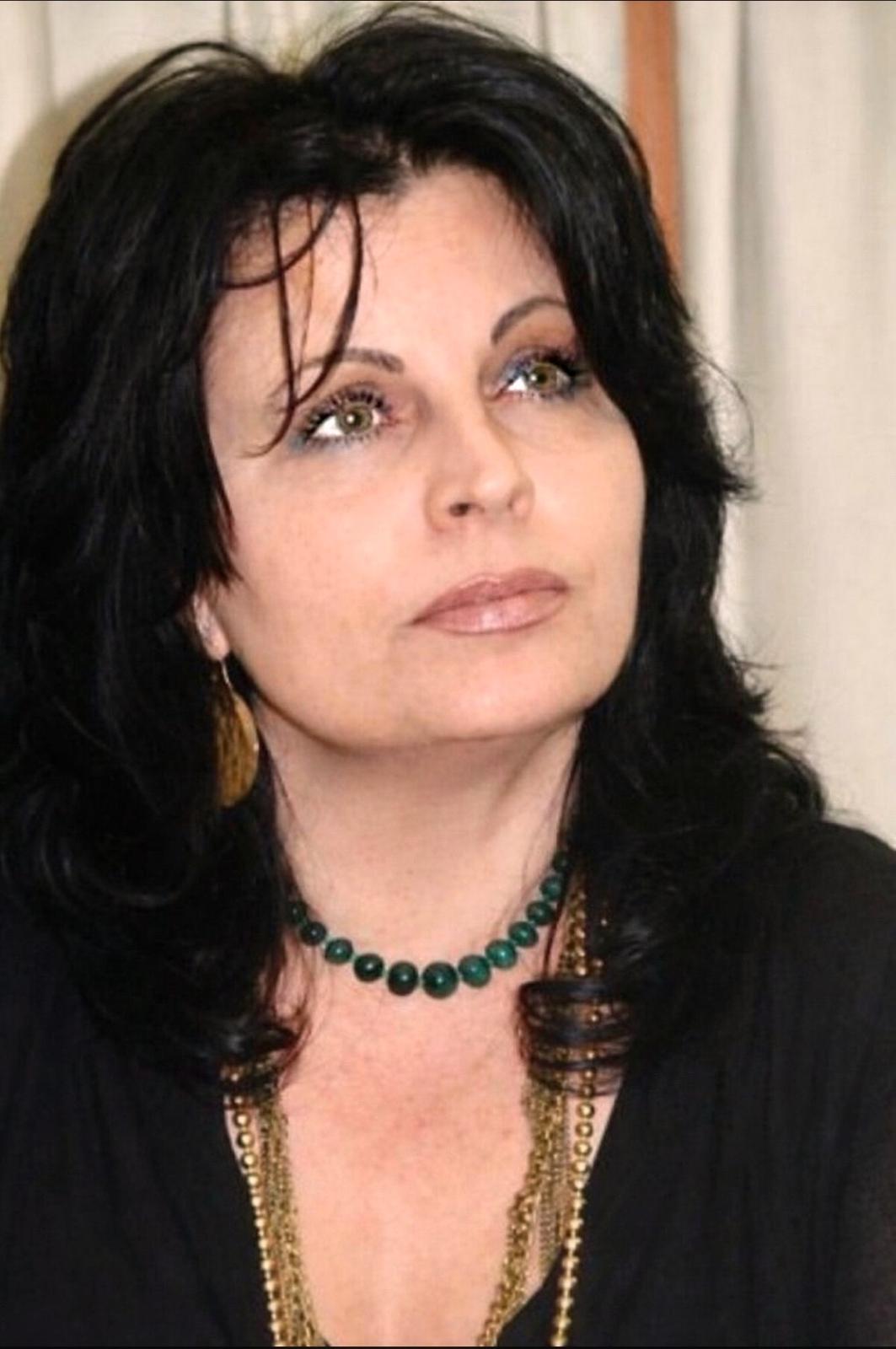
Prof. Nidaa Khoury
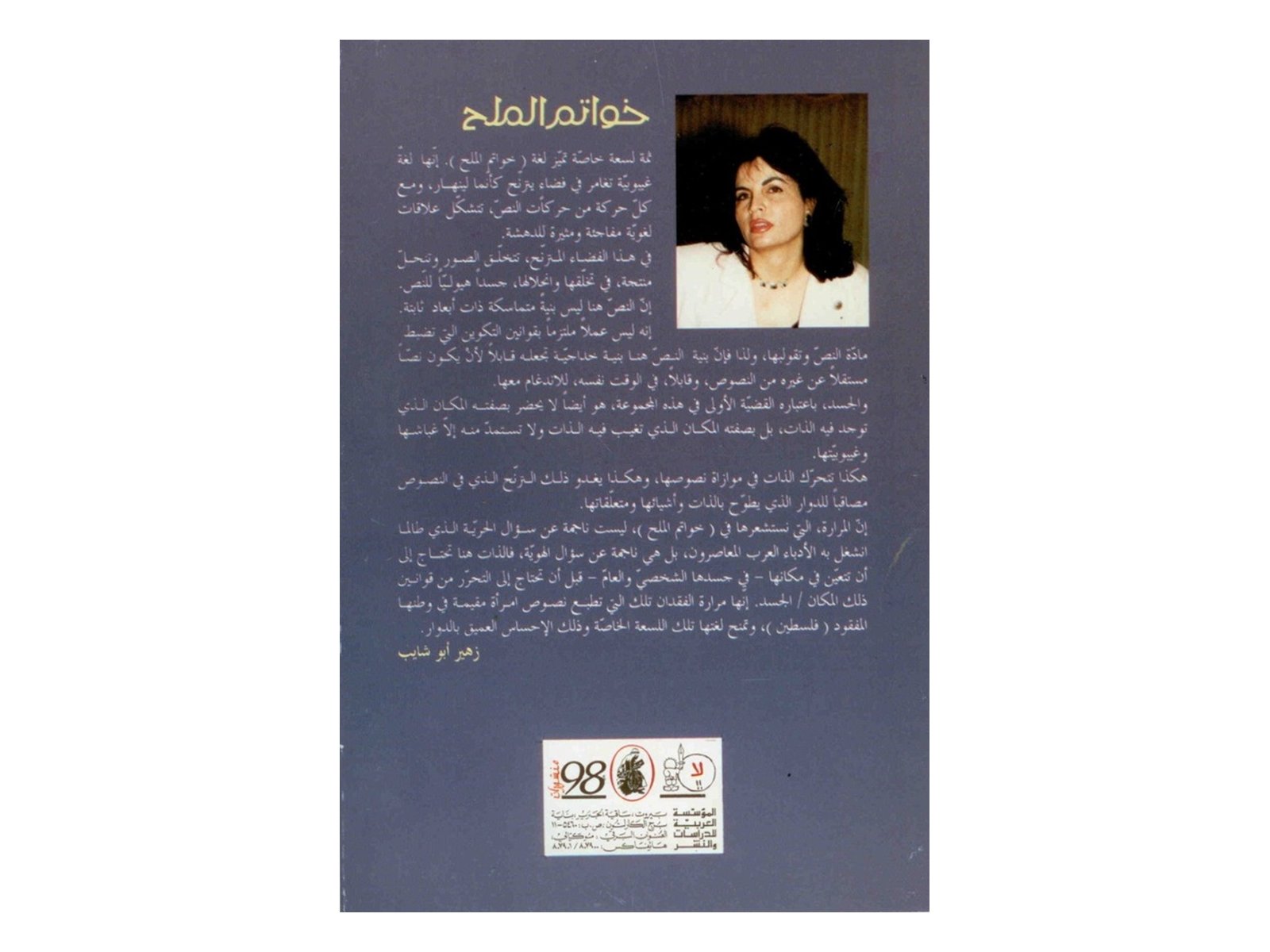
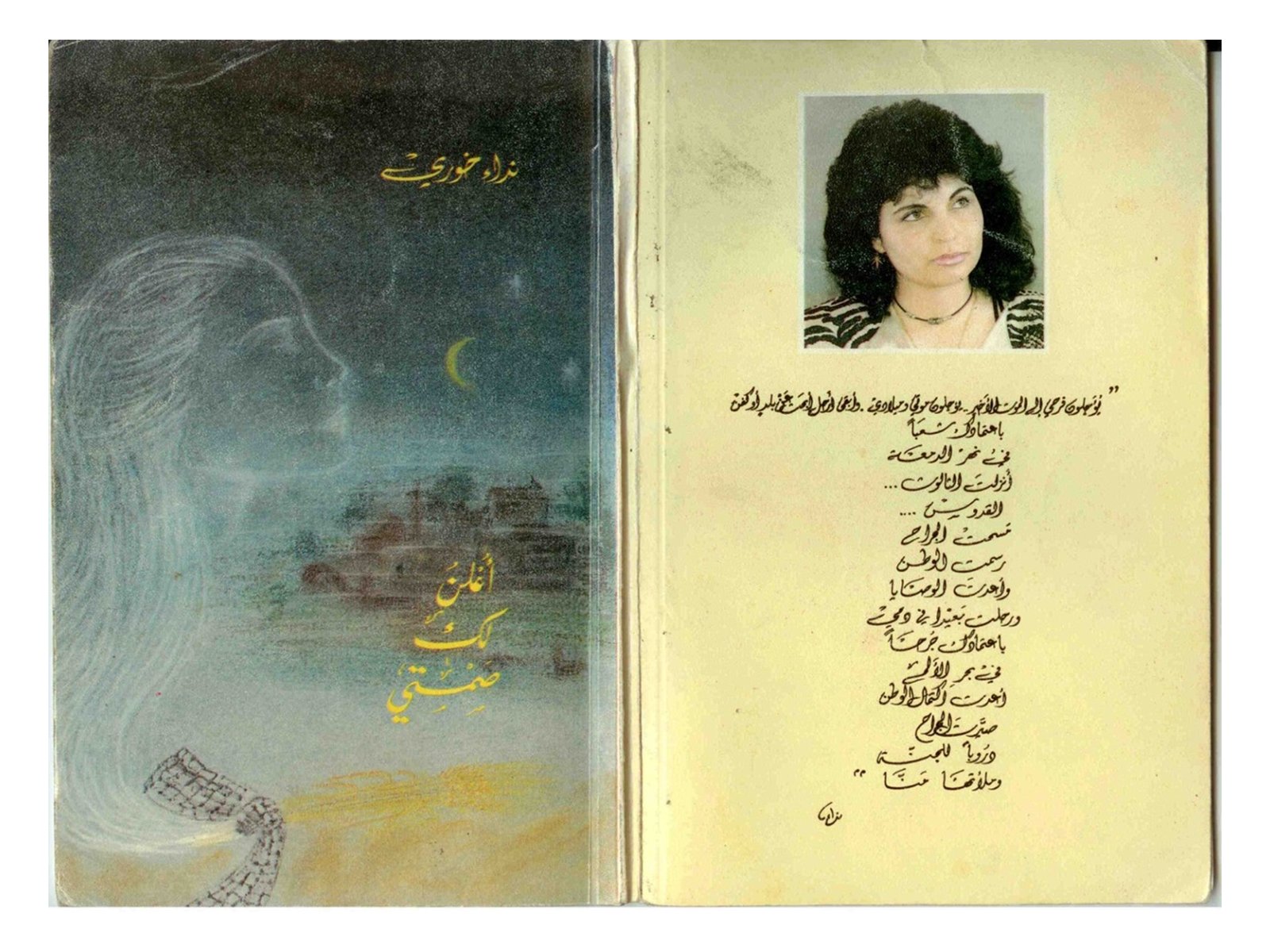
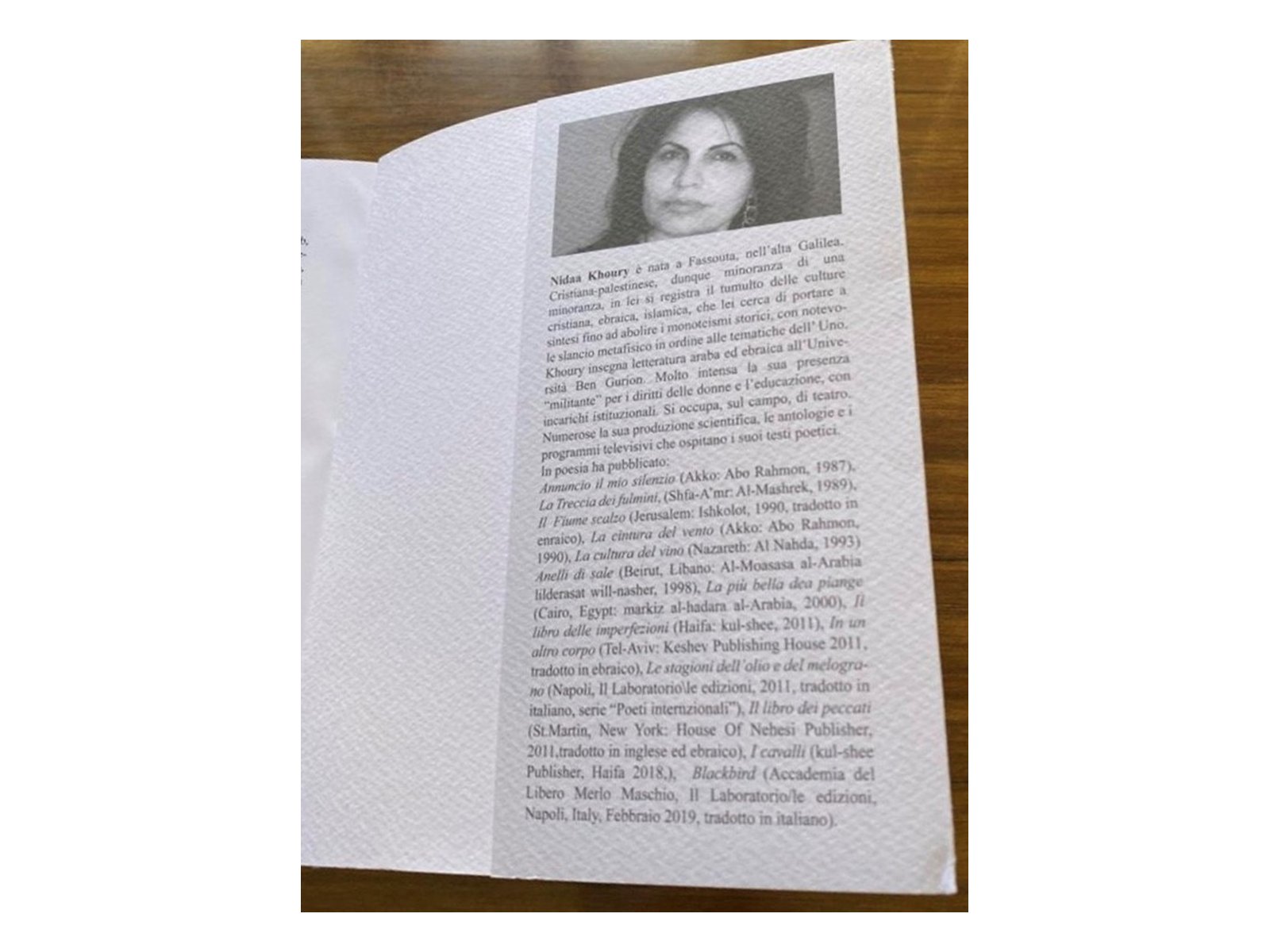
Prof. Nidaa Khoury is a poet and scholar who teaches at Ben-Gurion University of the Negev, in the Department of Hebrew Literature and the Conflict Management and Resolution Program. Her research covers modern and political Arabic and Hebrew literature in comparative perspective, women and nationalism, and the literary and social dimensions of the Israeli-Palestinian struggle.
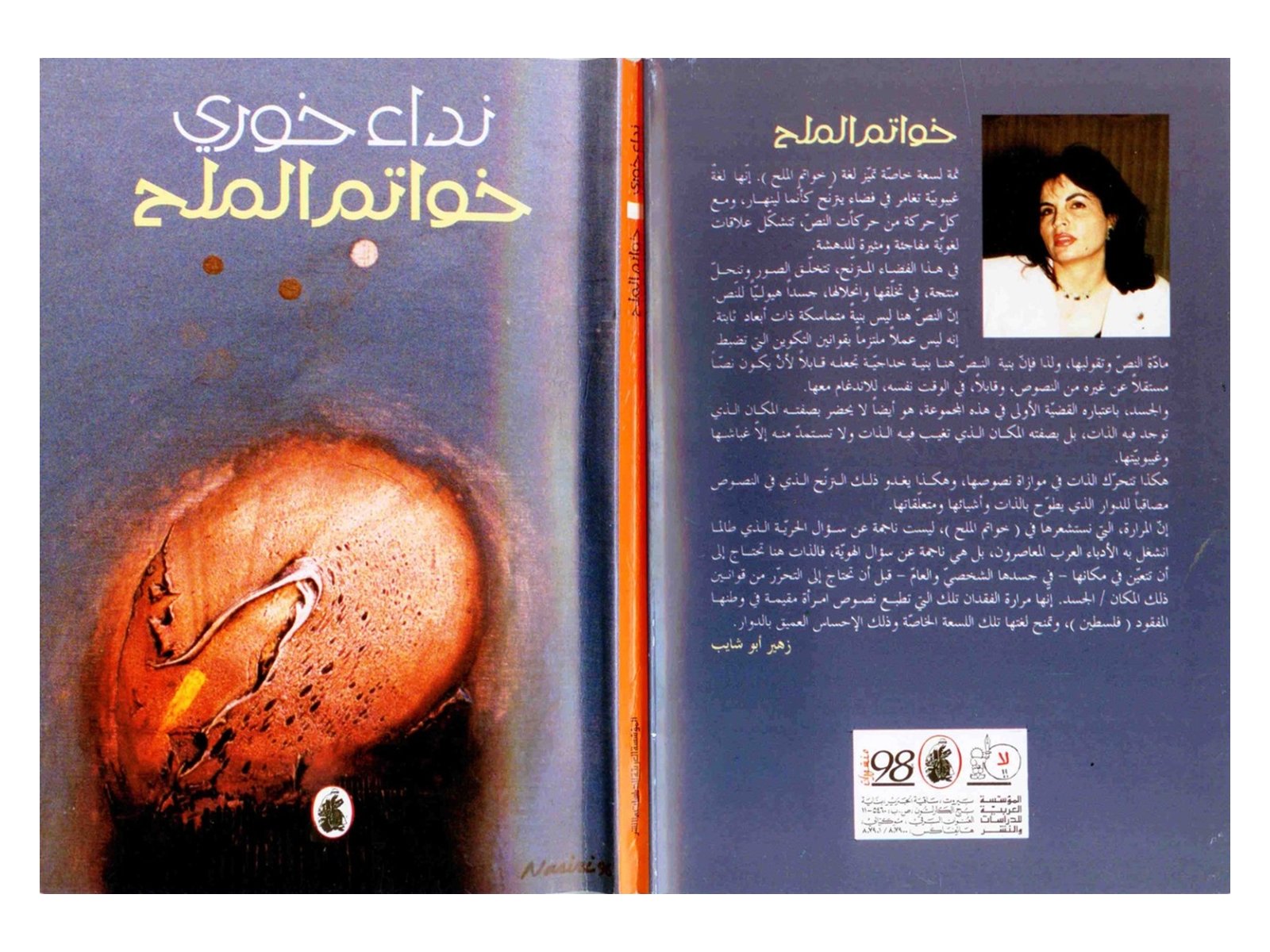
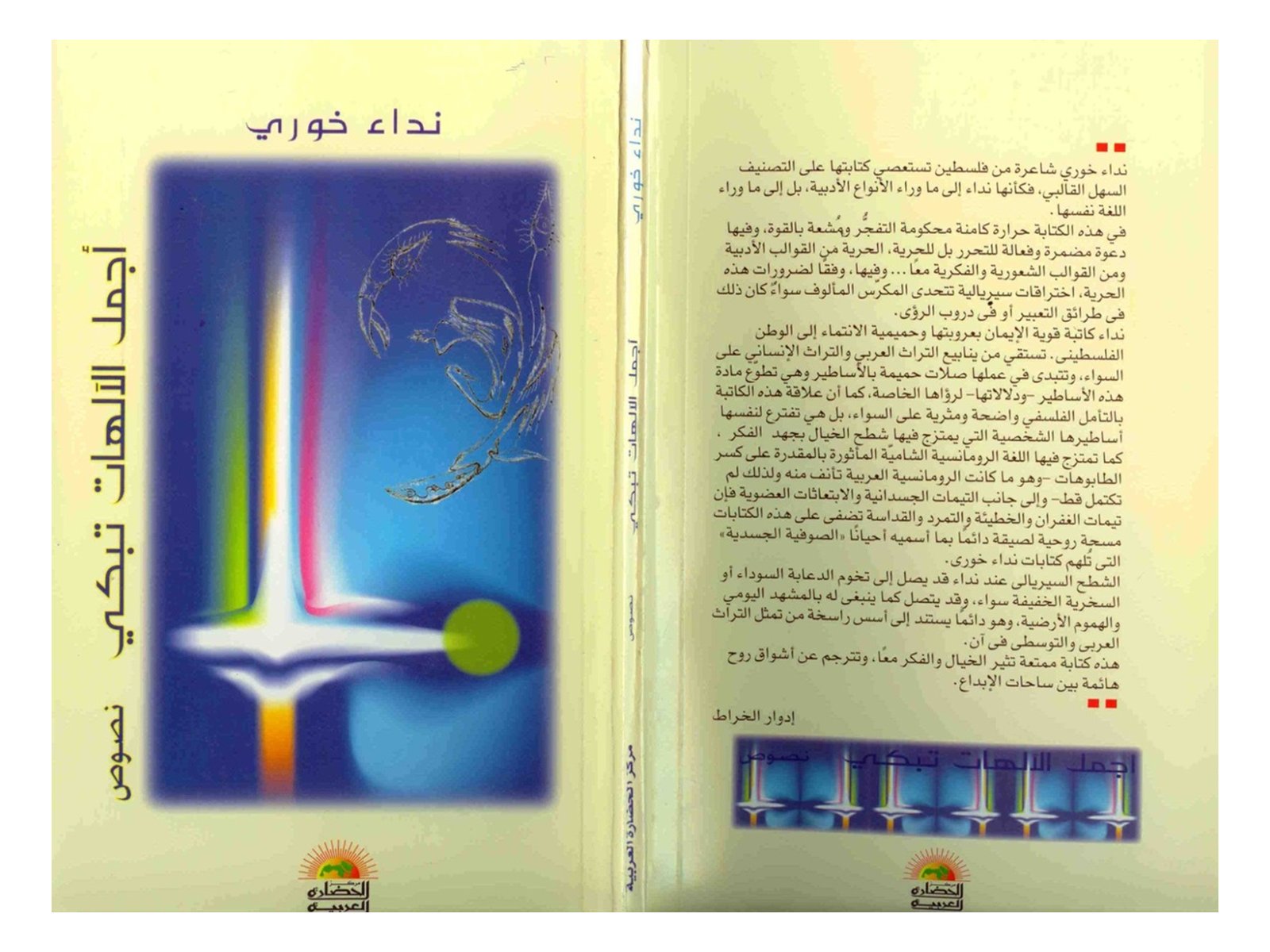
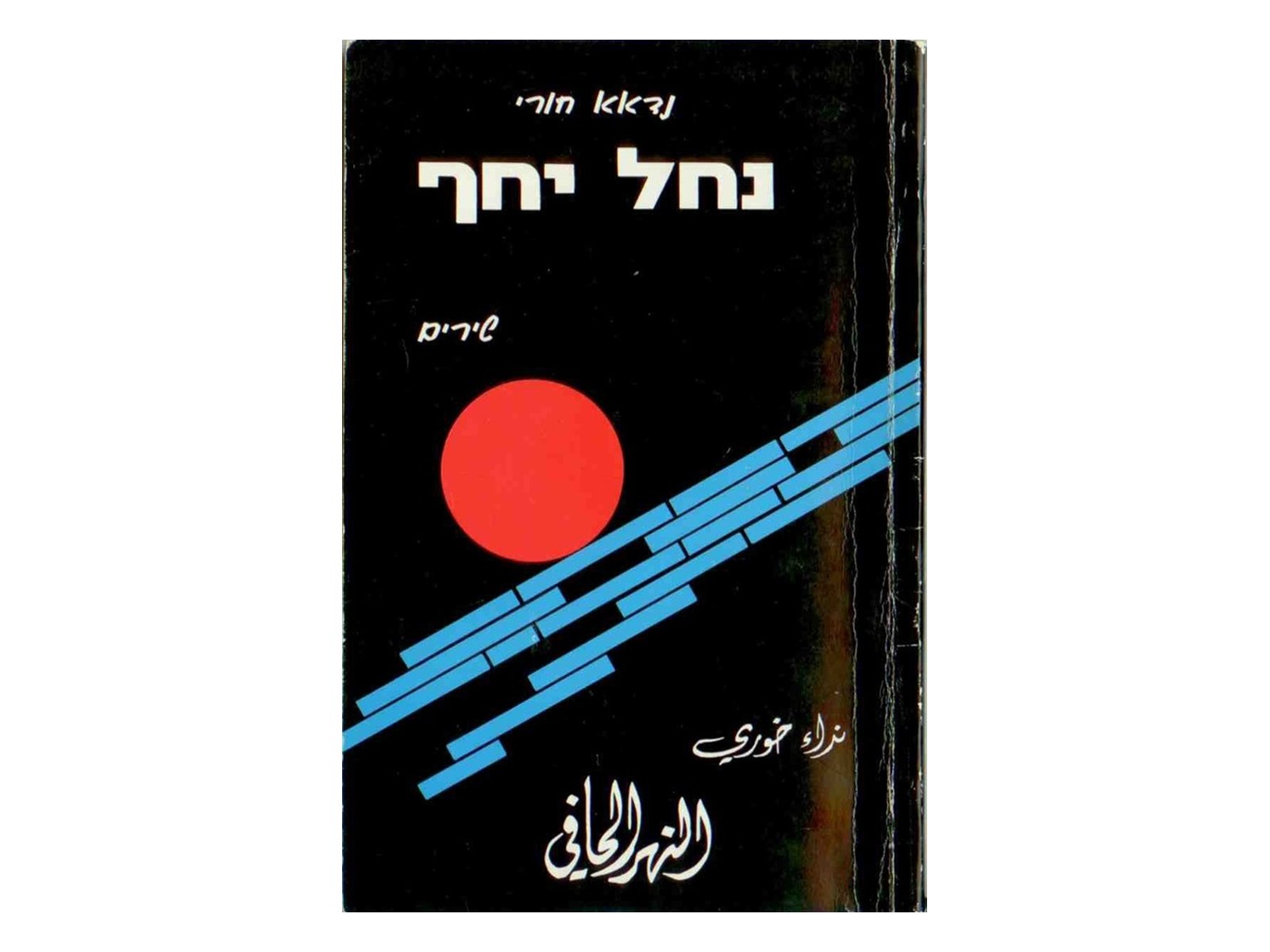
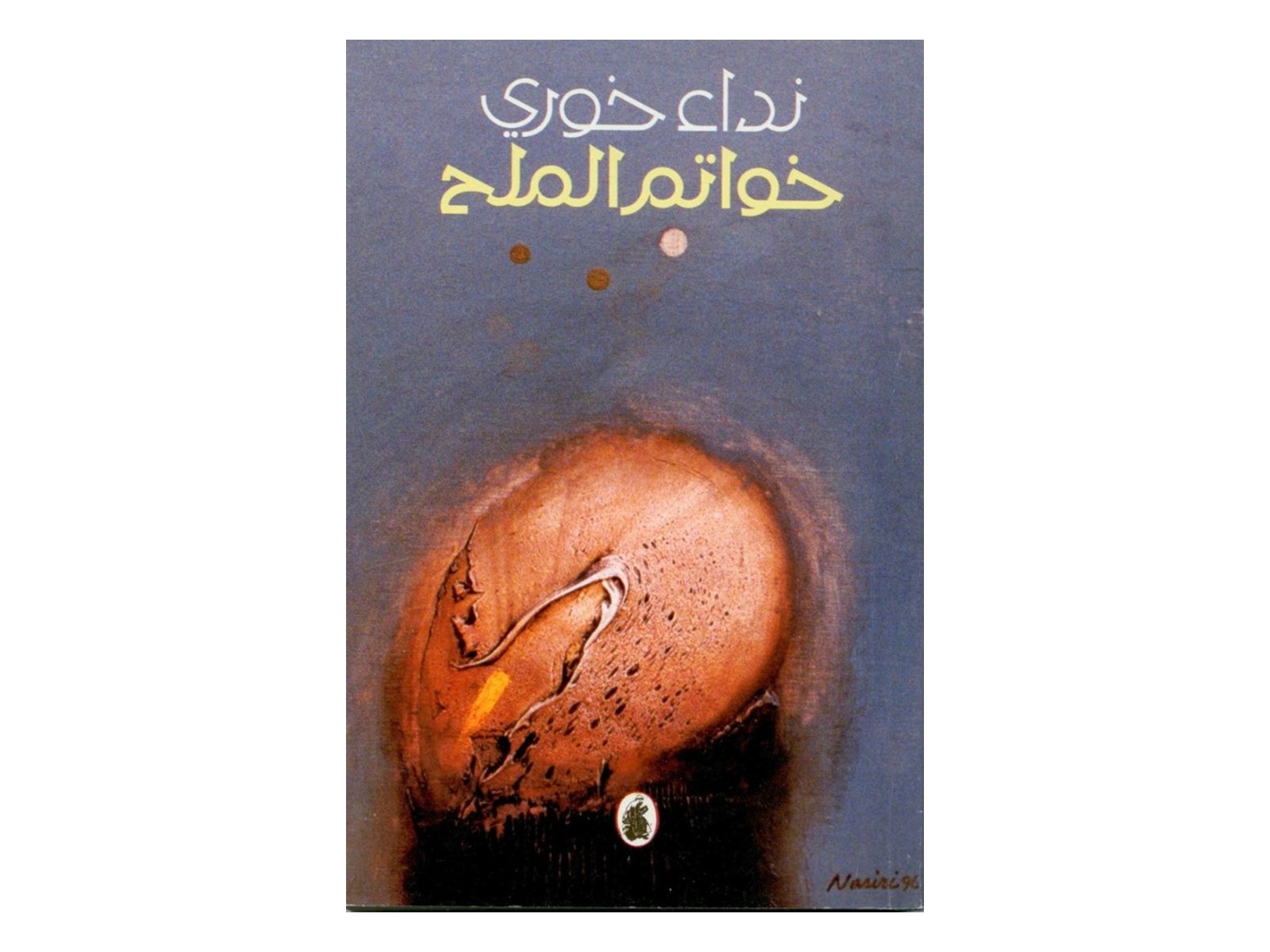
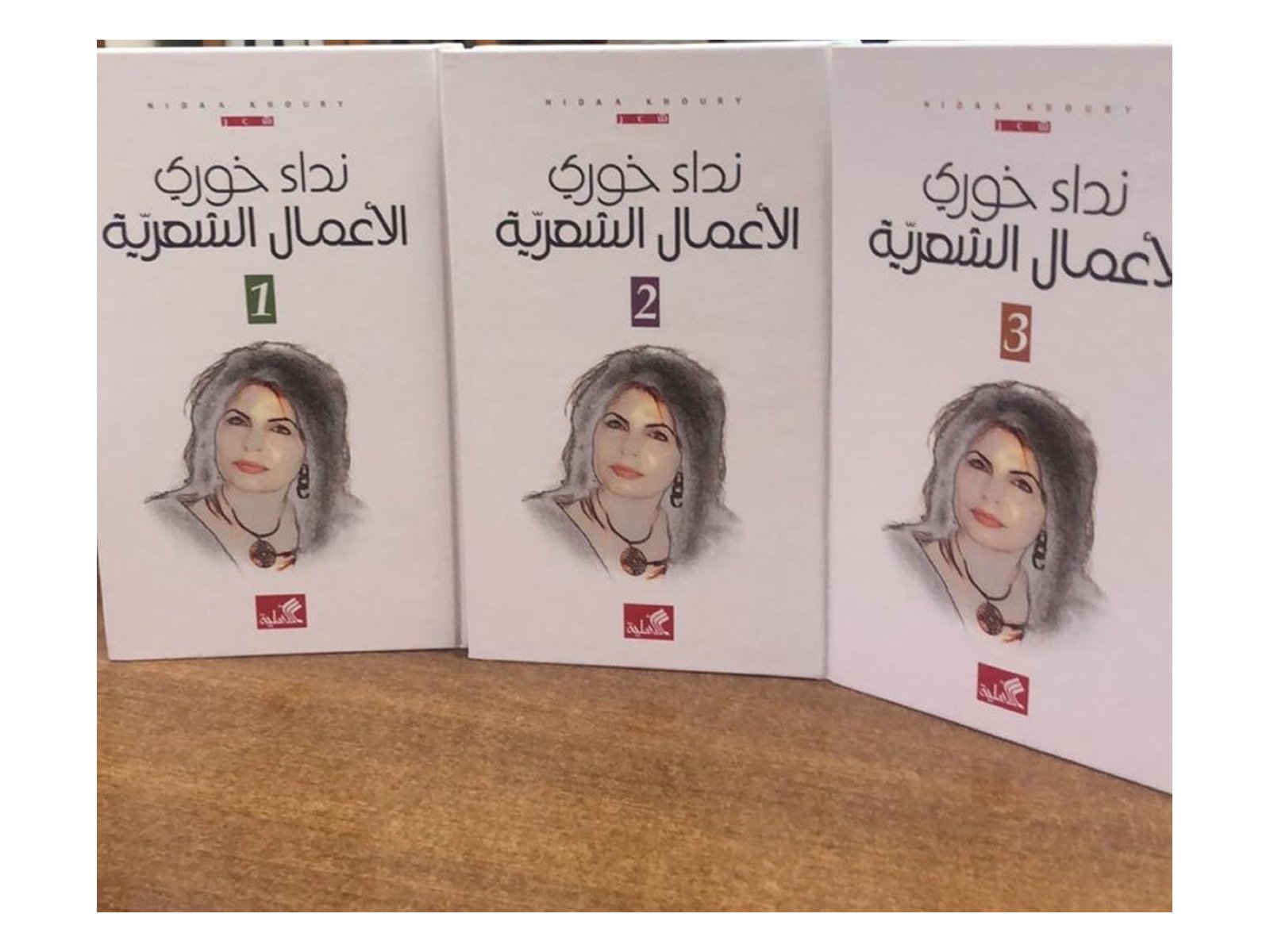
She has published 19 poetry collections in Israel and abroad, and her work has been translated into nine languages: English, German, Hebrew, Dutch, French, Spanish, Italian, Albanian, and Mandarin Chinese. Her publications include All Poems (2020), La Porta d’Oriente (Italy, 2020), and the trilingual Book of Sins (New York, 2011). Her life and work are the subject of the documentary Nidaa through Silence (2009), which won an award at the GAFFERS Global Art Film Festival in Los Angeles.
As a Palestinian citizen of Israel who writes “from within the creative sphere,” Khoury brings a poet’s ear and a philosopher’s rigor to a subject usually left to political analysts. She has also built a digital platform that applies her “Axes of Being” model to map identity journeys, turning her theoretical framework into a practical analytical tool.
Rights Status
Publishing Rights Available
Translation Rights Available
Film Rights Available
Audio Rights Available
Comparable Titles
This book is suitable for readers who enjoyed:
- Orientalism by Edward W. Said
- What Is a Palestinian State Worth? by Sari Nusseibeh
- How to Cure a Fanatic by Amos Oz
BISAC Categories
- POL034000 – POLITICAL SCIENCE / Peace
- HIS026000 – HISTORY / Middle East / General
- LIT020000 – LITERARY CRITICISM / Comparative Literature
- LIT014000 – LITERARY CRITICISM / Poetry
- SOC032000 – SOCIAL SCIENCE / Gender Studies
Themes
- Place-based Existence vs. Time-based Being
- The “Bermuda of Foundations”: Precedence, Sanctity, and Sovereignty
- Palestinian Women’s Poetry as a Mirror of Social Change
- Exile Within the Homeland
- Mirrored National Narratives of Victimhood and Fear
- Moving Beyond Binary Thinking (Self/Other, Center/Margin)
- Globalization, Technology, and the Erosion of Borders
- Literature as a Path to Peace
Keywords
For readers interested in:
- The Israeli-Palestinian conflict and new approaches to peace
- Middle Eastern Studies and Conflict Resolution
- Palestinian literature and Arabic poetry
- Women’s writing and gender in national movements
- Comparative Hebrew and Arabic literature
- Post-modern philosophy and identity
- Mahmoud Darwish and modern Palestinian poetry
- Bilingual and bicultural perspectives on the Middle East
FAQ
What is the book’s central argument?
That the conflict persists because both peoples are trapped in a paradigm that values land over human life. Khoury proposes a shift from “Existence based on Place” to “Being based on Time.”
Is this an academic book?
Yes. It is a trans-disciplinary scholarly work combining original literary research with philosophical analysis, written for academics, students, and policymakers.
What does the book cover?
Part One tracks Palestinian women’s poetry in Israel from 1948 to 2008 across three generations. Part Two presents a philosophical framework for rethinking the conflict, and the book ends with an anthology of 25 literary works.
Has this book been published before?
The book was published in Hebrew.
What is the word count?
88,000 words in the English edition.
Who will enjoy this book?
Scholars and students of Middle Eastern Studies, Comparative Literature, Political Science, and Gender Studies; conflict-resolution practitioners; diplomats and policymakers; and readers looking for a deeper, non-partisan understanding of the Israeli-Palestinian conflict.
Rights Agent's Notes
From Place to Space offers what the crowded shelf of books on the Israeli-Palestinian conflict rarely does: a framework that is neither partisan nor purely political. Prof. Khoury’s dual standing, as an established poet translated into nine languages and as a Ben-Gurion University scholar of conflict resolution, gives the book both literary authority and academic credibility.
The title suits university and academic presses with Middle Eastern Studies, Peace and Conflict Studies, or Gender Studies lists, and trade nonfiction publishers looking for fresh, idea-driven work on the region. We see particular translation potential in the Arabic, French, German, and Spanish markets. The author’s existing translated poetry and the documentary Nidaa through Silence add publicity hooks beyond the academic launch.
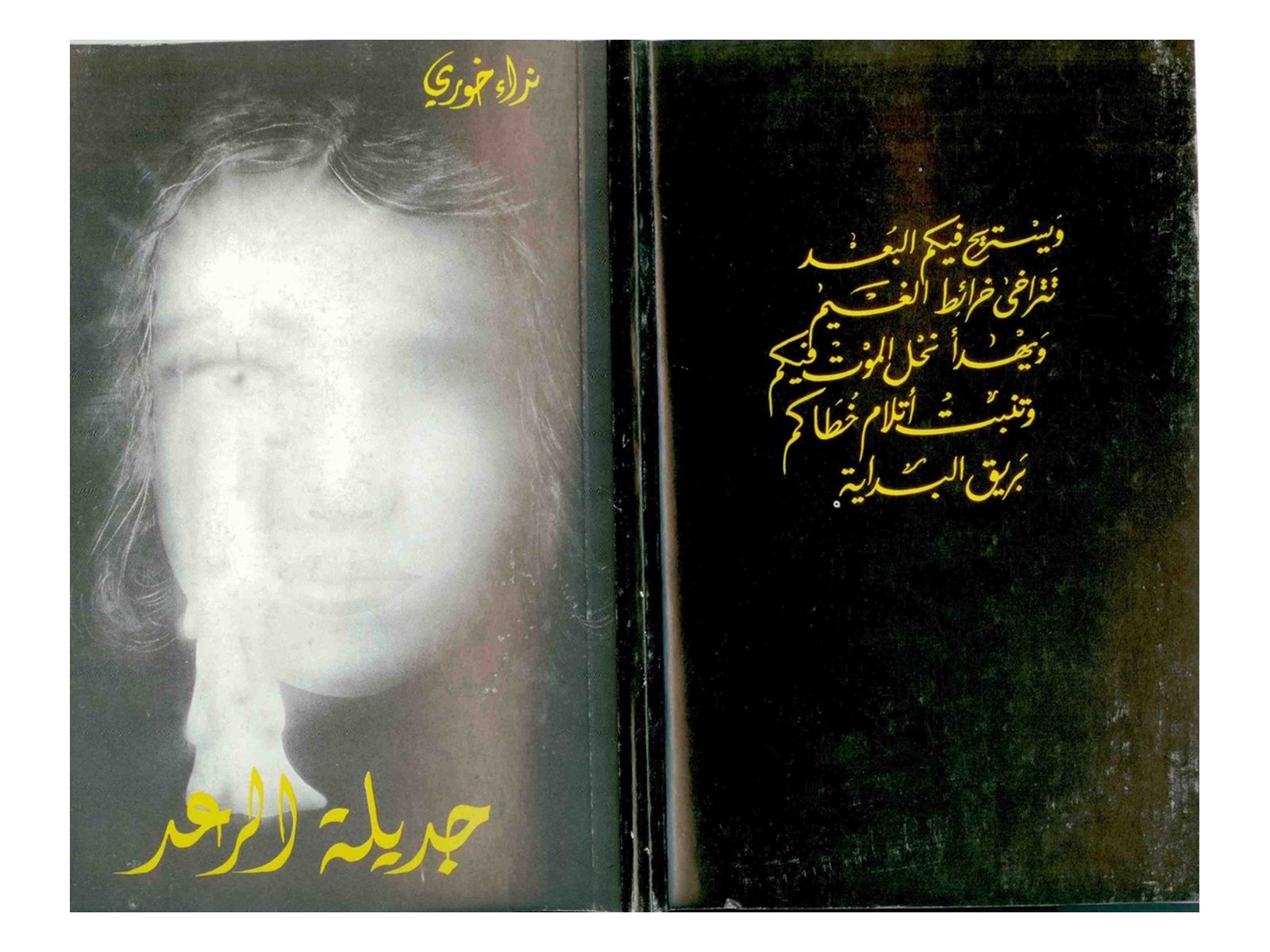
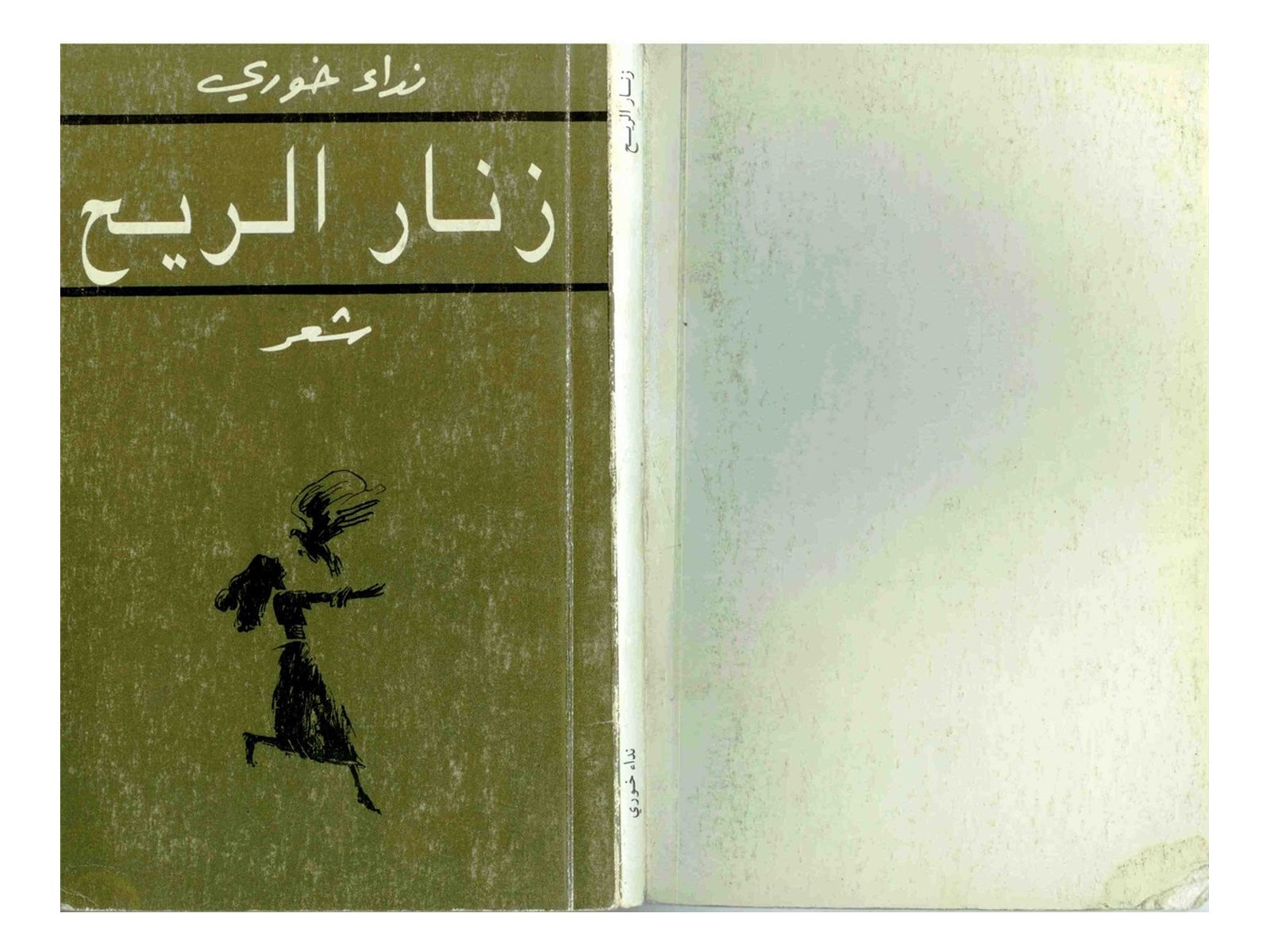
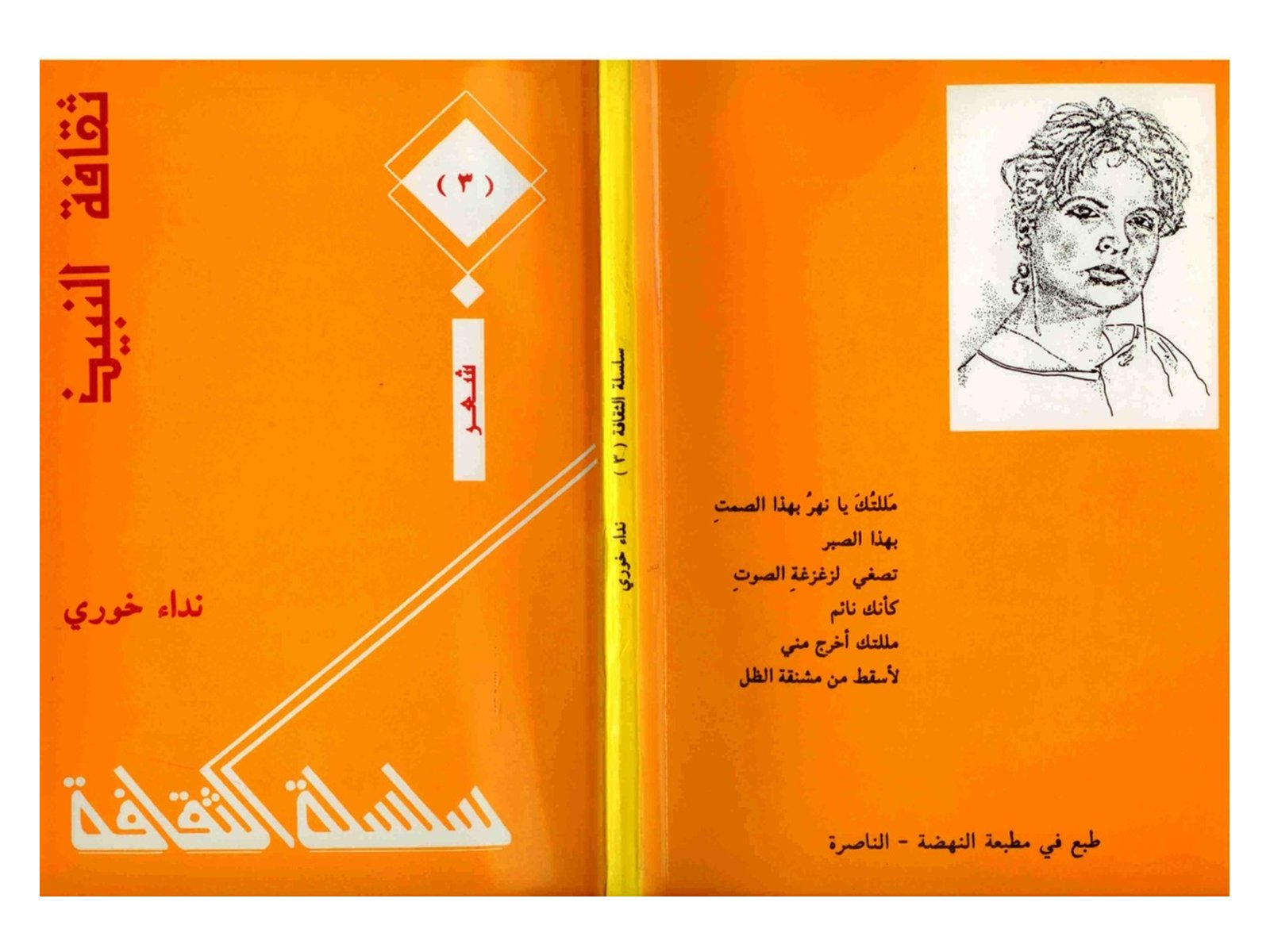
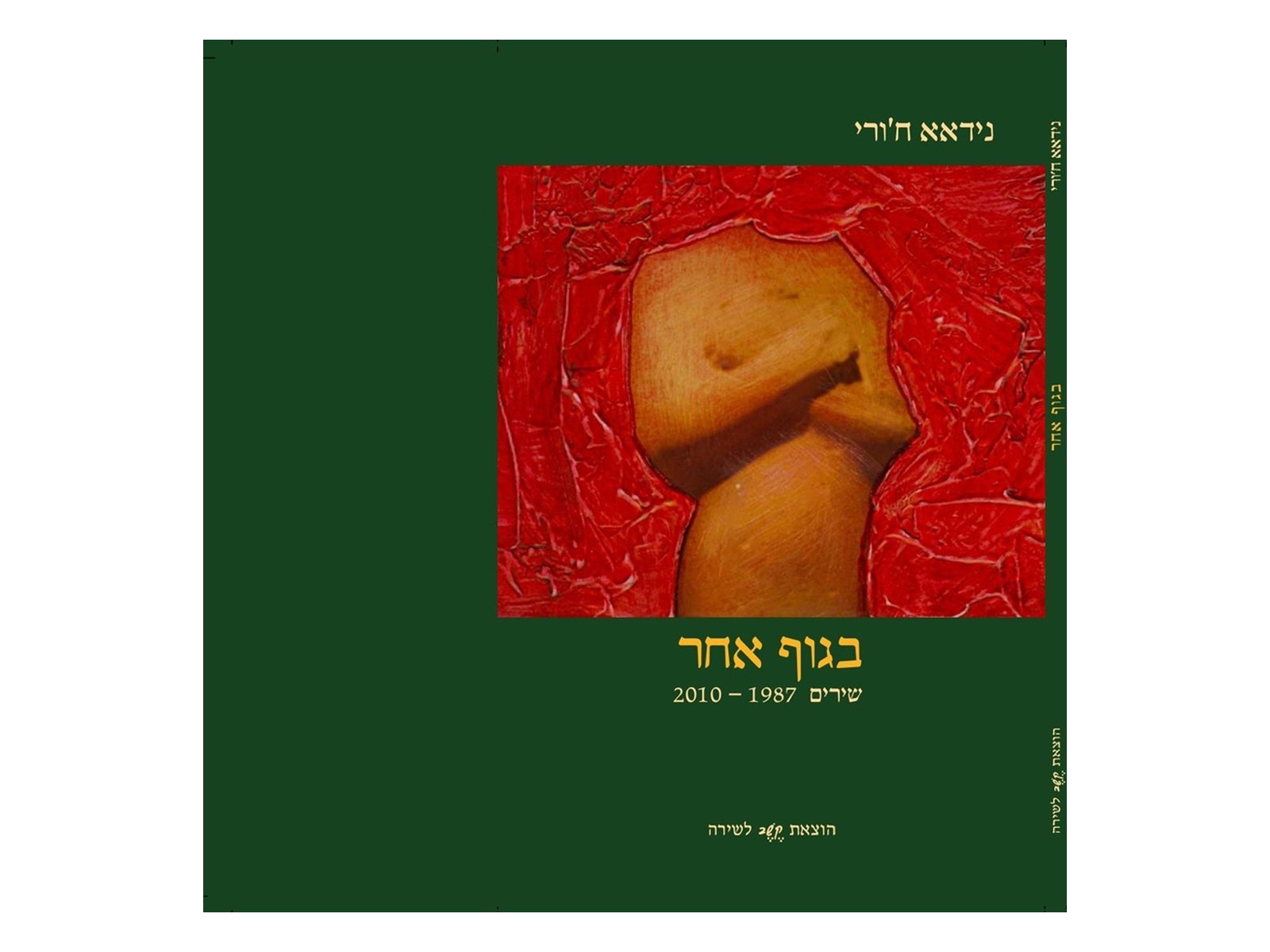
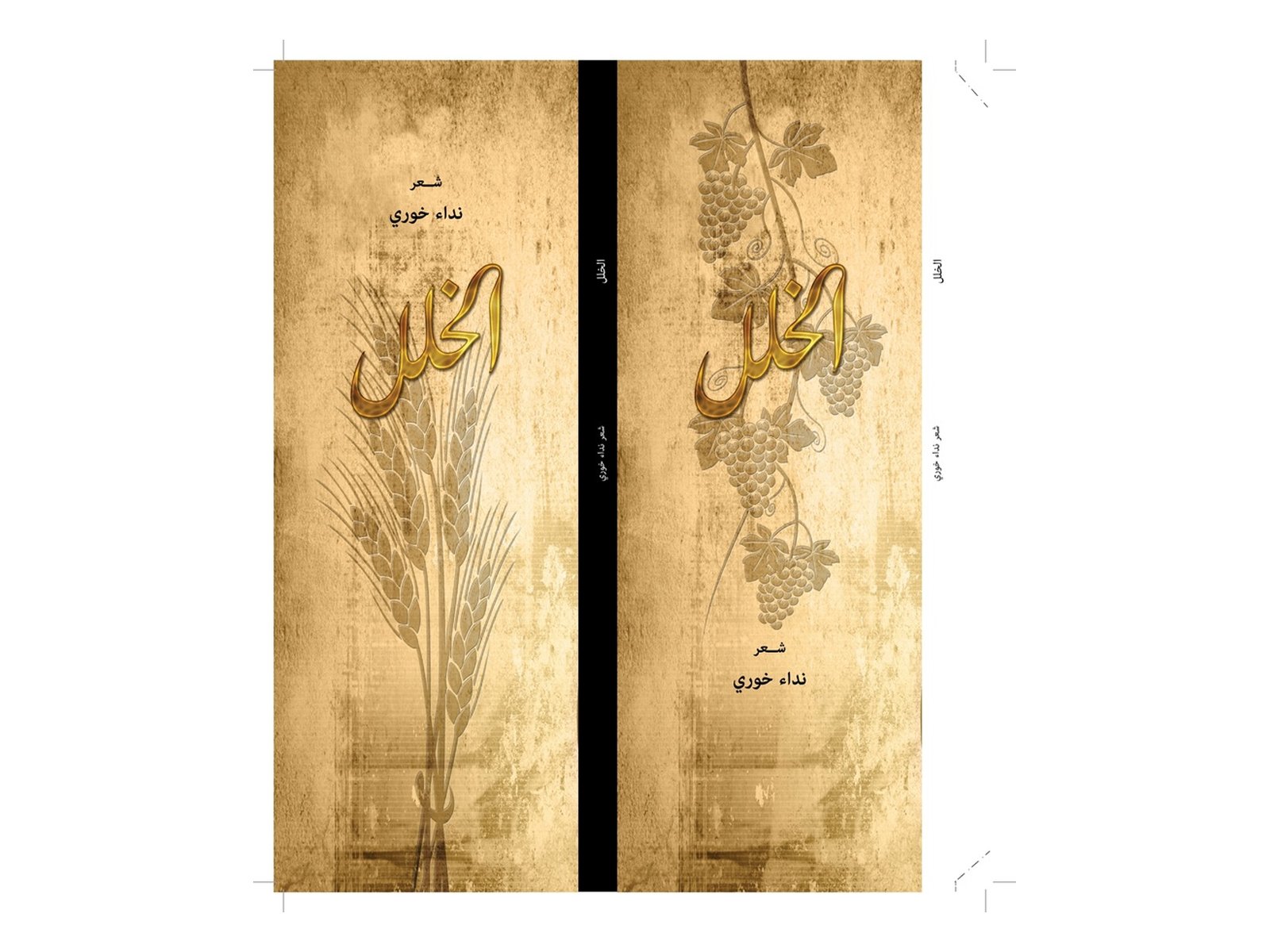
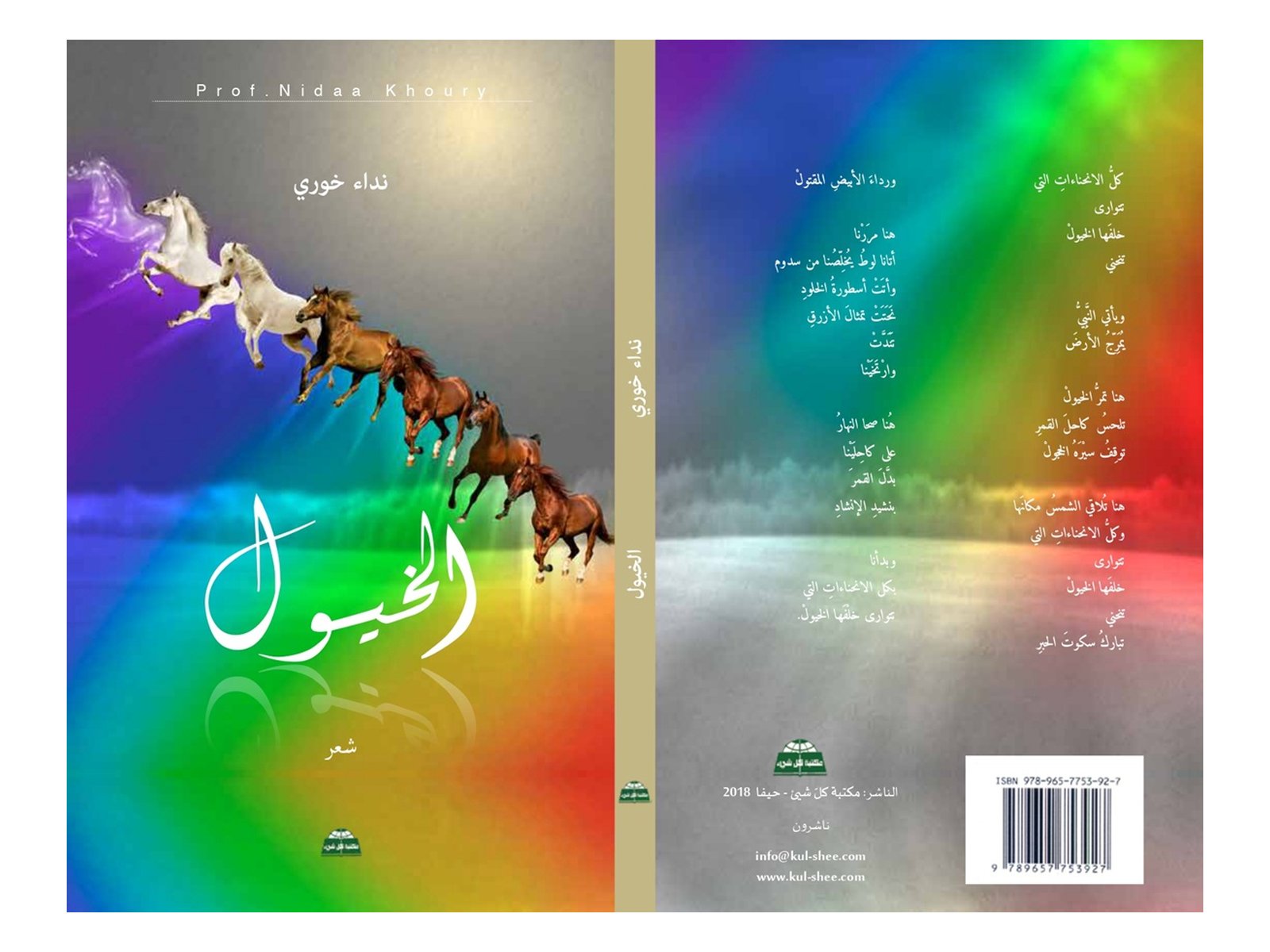
Additional books by Prof. Nidaa Khoury